

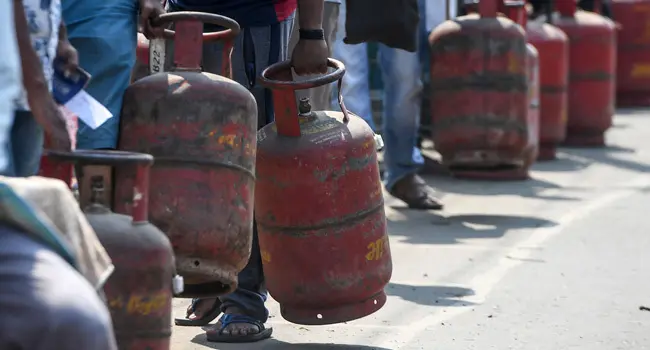
Gas marketers have raised alarm over the worsening scarcity of Liquefied Petroleum Gas (LPG), popularly known as cooking gas, and the sharp increase in prices nationwide, with retail costs climbing to as high as ₦1,500 per kilogram from about ₦1,300 in some areas.
In a statement issued on Sunday, the Nigerian Association of Liquefied Petroleum Gas Marketers (NALPGAM) called the attention of the Federal Government, regulatory agencies, importers, producers, depot owners and other stakeholders to what it described as the “erratic supply and rising cost” of cooking gas across the country.
According to the association, marketers are now paying between ₦25.2 million and ₦26.2 million for 20 metric tonnes of LPG, depending on location, a development they say is driving up retail prices and placing additional pressure on consumers.
“It is sad and rather pathetic that Nigerians now have to buy cooking gas, which should be a basic social commodity, at over ₦1,500 per kilogram,” the statement said.
NALPGAM warned that if urgent measures are not taken to address the crisis, frustrations among consumers could escalate.
The association noted that the situation has imposed severe hardship on millions of households, small businesses, food vendors and low-income earners who rely on LPG for daily cooking and livelihoods. It also expressed concern that the rising cost of cooking gas could undermine Nigeria’s clean energy transition efforts.
According to the marketers, persistent supply shortages, high depot prices, logistics bottlenecks and rising operational costs have made it increasingly difficult for members to source LPG.
“Where product is available, it is sold at rates far beyond the reach of average Nigerians,” the association stated.
NALPGAM said the current crisis threatens years of progress achieved through government policies, private-sector investments and awareness campaigns promoting LPG as a safer and cleaner alternative to kerosene, charcoal and firewood.
It warned that many households are already struggling to refill cylinders, while some families are reverting to firewood and charcoal despite the associated health and environmental risks, including deforestation and pollution.
The association further cautioned that if urgent action is not taken, the crisis could trigger wider socio-economic consequences such as rising food inflation, closure of small LPG retail businesses, job losses, declining investor confidence and setbacks to Nigeria’s climate and clean energy commitments.
NALPGAM therefore called on the Federal Government, the Ministry of Petroleum Resources, the Nigerian Midstream and Downstream Petroleum Regulatory Authority (NMDPRA), the Nigerian National Petroleum Company (NNPC) Ltd, domestic producers, terminal operators and international suppliers to urgently collaborate to stabilise the LPG market.

Among its recommendations, the association urged authorities to improve nationwide availability of LPG, increase domestic supply allocation, ensure transparent distribution, reduce importation and storage bottlenecks, stabilise retail prices and protect consumers from excessive costs.
The marketers also called for increased investment in storage and distribution infrastructure, as well as policies that promote affordability, sustainability and long-term growth in the sector.
NALPGAM reaffirmed its commitment to working with government agencies, regulators and other stakeholders to develop sustainable solutions that would guarantee stable and affordable LPG supply across the country.
“We cannot stand by and watch millions of Nigerian families suffer while access to clean cooking energy becomes increasingly difficult and unaffordable,” the association added.