

The Democratic Republic of the Congo (DR Congo) is recording between 50 and 80 new confirmed Ebola cases daily, with the outbreak reportedly reaching about 10,000 cases and nearly 5,000 deaths.
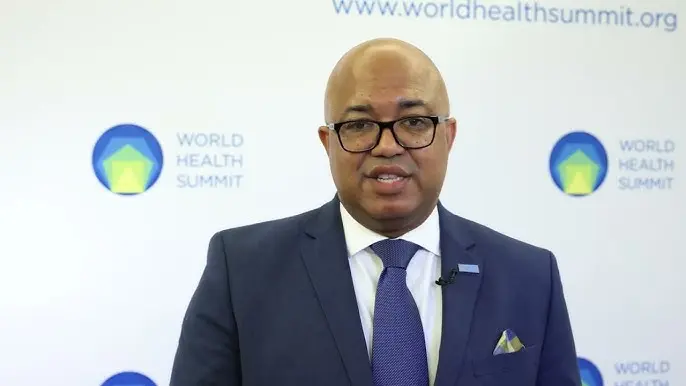
The Executive Director of the World Health Organisation’s (WHO) Health Emergencies Programme, Dr Chikwe Ihekweazu, disclosed this in an interview with ARISE NEWS on Wednesday, warning that the situation remained critical.
“Unfortunately, we’re now at 10,000 cases and close to 5,000 deaths,” Ihekweazu said.
“We’re reporting 50 to 80 new confirmed cases every single day. So the situation is still very dire. This is a large part of the country, the east of the country.
“Eight provinces are affected, equivalent to eight states in Nigeria. This is over 1,000 square kilometres. So we’re in the sixth month of this outbreak.”
The current outbreak was declared on May 15, 2026, after the virus was believed to have been circulating for several weeks before detection.
It has affected parts of eastern and northeastern DR Congo, including Ituri and North Kivu provinces, where insecurity and weaknesses in the health system have complicated efforts to contain the spread of the virus.
The outbreak is the country’s 17th and is approaching the death toll recorded during its deadliest previous outbreak, which occurred between 2018 and 2020. That outbreak claimed nearly 2,300 lives from approximately 3,500 recorded cases.
Figures released by Congolese health authorities in August put the fatality rate of the current outbreak at 45.9 per cent. At the time, Health Minister Samuel Roger Kamba warned that the outbreak had not yet reached its peak.
The WHO’s Regional Director for Africa, Mohamed Janabi, also raised concerns over the number of infected people dying without receiving medical attention.
“We are only seeing 30 percent (of infected people), while 70 percent of people are dying at home. This is why this Ebola is different,” Janabi said.
The situation has heightened concerns over the availability of vaccines, as the Bundibugyo virus strain responsible for the outbreak does not have a specifically approved vaccine, according to reports published in August.
WHO vaccine experts had recommended a full-scale human trial to determine whether Ervebo, an approved vaccine effective against the more common Zaire strain of Ebola, could also provide protection against the Bundibugyo strain.
The global vaccine alliance, Gavi, said doses from its stockpile would be made available for the trials, with some supplies already in DR Congo.
The continuing spread of the virus, coupled with challenges in accessing affected communities and limited vaccine options, has intensified concerns over the country’s ability to bring the outbreak under control.