

Britain’s economy slowed in the second quarter of the year, with gross domestic product (GDP) rising 0.4 per cent between April and June, the Office for National Statistics (ONS) reported Thursday.
The increase followed stronger growth of 0.6 per cent in the first quarter, although the ONS said the economy remained “relatively robust” despite domestic political uncertainty and the economic fallout from the US-Iran conflict.
Services continued to be the main driver of growth, expanding 0.5 per cent during the quarter. Construction also grew, while industrial production remained broadly flat.
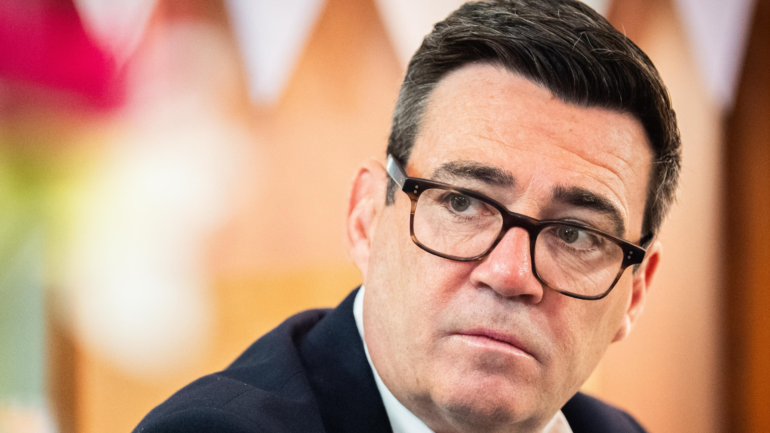
The figures come amid a period of political upheaval. Keir Starmer resigned as prime minister in late June and was replaced about a month later by Andy Burnham, as the Labour government faced growing pressure from Reform UK in opinion polls.
Britain’s new finance minister, John Healey, said the government under Burnham was taking a “hands-on” approach focused on putting British interests first.
“People are worried about the impact of the conflict in the Middle East on their cost of living, which has been too high for too long, and it has added pressure on British businesses,” Healey said in a statement.
World Cup boost
The economy ended the second quarter on a stronger note, with GDP expanding 0.3 per cent in June after no growth in May and a slight contraction in April.
The ONS attributed part of June’s improvement to increased activity surrounding the football World Cup. It said businesses involved in alcohol manufacturing, food and beverage services, publishing, television production and advertising recorded higher turnover during the month.
Liz McKeown, ONS director of economic statistics, said growth had slowed following a strong start to 2026 but remained relatively resilient.
“Services were once again the main driver of growth,” she said.
However, businesses warned that the headline figures masked deeper challenges facing the economy.
Stuart Morrison, research manager at the British Chambers of Commerce, said a combination of rising costs was continuing to constrain long-term business growth.
He said Healey’s first budget, due on October 28, “must be a game changer for stronger, sustainable growth”, calling for measures to increase trade, investment and productivity.

Cost-of-living pressures
The economy continues to face pressure from elevated inflation, while the US-Iran conflict has pushed energy prices higher and added to household and business costs.
The Burnham government has so far focused on easing the cost-of-living burden, including plans to remove tax on electricity bills this winter.
The Bank of England has warned that inflation could rise further as the conflict in the Middle East keeps energy prices elevated.
Despite the slowdown in quarterly growth, the latest figures suggest that Britain’s economy has remained resilient in the face of political uncertainty, higher energy costs and persistent inflation.
AFP