

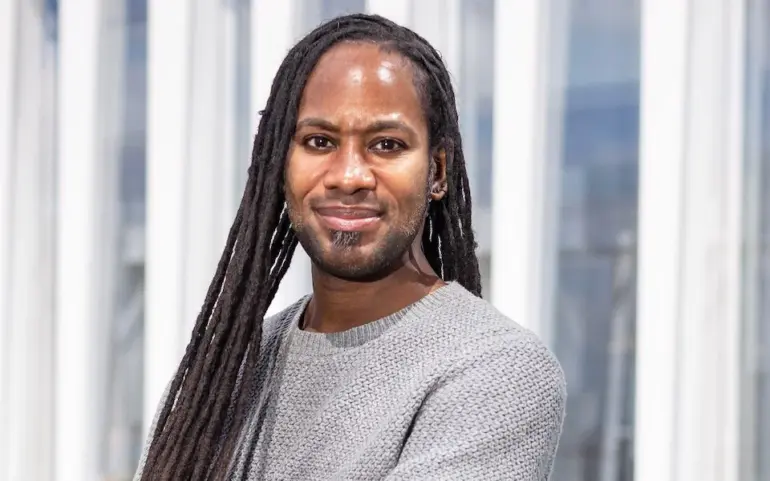
UK Prime Minister Andy Burnham has called for “reflection” following the death of former Cambridge University professor Jason Arday, as the academic’s family condemned what it described as years of harassment linked to allegations surrounding his academic work.
Arday, 41, was found unresponsive at a property in south London on Friday, just days after resigning from Cambridge University and Jesus College amid investigations into allegations of plagiarism and questions about some of his personal and professional claims.
The Metropolitan Police said the death was unexpected but was not being treated as suspicious. An investigation is ongoing, with a file being prepared for the coroner to determine the cause of death.
In a statement released overnight, Arday’s family said he had been “subjected to a campaign of sustained abuse for more than three years since he accepted the role of professor at Cambridge University”.
They said the experience had been overwhelming for Arday, whom they described as a gentle man who always sought to see the best in others.
Arday, who became Cambridge’s youngest Black professor in 2023, had previously said he believed he was the target of a “racially motivated” campaign.
Speaking to reporters in southwest England, Burnham urged people not to rush to conclusions over the circumstances surrounding Arday’s death.
“It’s a tragedy on so many levels, but particularly just for everybody who knew Jason,” he said. “It’s a moment for reflection… reflecting on how things came to this.”
Plagiarism allegations
The controversy surrounding Arday intensified in recent weeks after academics and media reports raised allegations that portions of his doctoral thesis closely resembled earlier academic work.
Cambridge subsequently began investigations into allegations concerning Arday’s academic work and the process through which he was appointed. Arday denied accusations of plagiarism and rejected claims that he had deliberately misrepresented his achievements, although he acknowledged making mistakes in his earlier academic work.
The allegations also prompted wider scrutiny of claims Arday had made about his personal achievements, including his involvement in endurance running and charitable fundraising.
The controversy became part of a broader debate over diversity, equality and inclusion policies in British academia, with supporters arguing that Arday had faced disproportionate scrutiny and critics questioning how his academic record had been assessed before his appointment.
Weyman Bennett, co-convenor of the Stand Up to Racism campaign group, described Arday’s death as the result of what he called a “racist witch hunt” by sections of the right-wing media, politicians and far-right activists.
‘Difficult period’
In a letter published when he resigned on August 5, Arday said leaving Cambridge was “the only way” to bring an end to what he described as a “difficult period”.
He stressed, however, that his resignation should not be interpreted as an acceptance of the narratives surrounding him.
Cambridge Vice-Chancellor Deborah Prentice confirmed Arday’s death in a statement expressing the university’s deep sadness.
In a subsequent message to the Cambridge community, Prentice said she hoped the period would also be one of “compassion”.
Flowers and a card bearing Arday’s name were left at the university’s gates in Cambridge on Saturday, while remembrance vigils are planned in London.
Concerns over his wellbeing
Simon Baron-Cohen, a Cambridge professor and director of the university’s Autism Research Centre, said he had spoken to Arday shortly before his death.
Baron-Cohen said Arday had been subjected to intense scrutiny, including criticism of his academic record and personal history.
He said Arday had struggled with the loss of his career and reputation and had expressed in voice notes that he felt unable to continue.

Arday had been diagnosed with autism and had previously spoken publicly about significant developmental and learning difficulties during his childhood.
Baron-Cohen described him as a vulnerable adult who deserved appropriate safeguarding and support.
Scrutiny of academic record
The controversy intensified after US academic Nathan Cofnas published allegations in July concerning Arday’s doctoral thesis and other academic work.
Media investigations subsequently examined sections of Arday’s PhD thesis and raised questions about similarities between his work and earlier research. Cambridge and other institutions have been examining the allegations, while Arday maintained that he had not deliberately plagiarised material.
The university had also launched a review of its appointment processes amid the controversy.
Arday, who became a professor of sociology of education at Cambridge at the age of 37, had previously built a high-profile academic career and was widely recognised for his account of overcoming autism and significant learning difficulties.
His death has now prompted renewed debate over academic accountability, media scrutiny, racism and the support available to vulnerable academics.
The circumstances surrounding his death remain under investigation.
AFP