

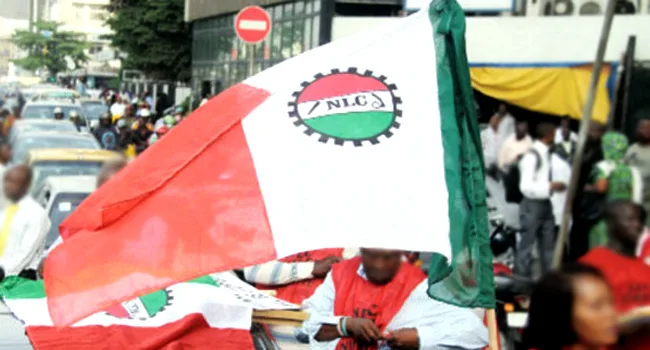
Labour leaders have called for urgent measures to address the worsening economic hardship faced by Nigerian workers, warning that inflation and rising living costs have continued to erode earnings and reduce workers’ purchasing power.
The concerns were raised on Friday at the Nigeria Rights of Workers Summit 2026 in Birnin Kebbi, Kebbi State, where stakeholders gathered to mark 88 years of legally recognised trade unionism in Nigeria.
The summit, themed “The Rights of Workers: Decent Work and a Just Economy in Nigeria,” brought together labour leaders, government representatives, workers, employers, civil society organisations and officials of the National Industrial Court to examine the state of workers’ rights, welfare and employment conditions in the country.
Discussions at the event focused on workers’ remuneration across the 36 states, local governments and the private sector, with participants highlighting challenges such as inflation, rising living costs, workplace safety concerns, discrimination, job insecurity and the need to protect casual and other non-traditional workers.
Representing the President of the Nigeria Labour Congress (NLC), Joe Ajaero, the union’s Deputy President, Adewale Adeyanju (Amba), identified the national minimum wage as one of the major challenges confronting Nigerian workers.
Adeyanju said the current ₦70,000 minimum wage had been overtaken by economic realities, making it increasingly difficult for workers to meet their basic needs.
“The current ₦70,000 minimum wage can no longer adequately respond to the realities confronting Nigerian workers, particularly with the rising cost of living,” he said.
He called for fresh wage negotiations between the Federal and State Governments, urging authorities to consider an upward review that reflects current economic conditions.
The convener of the summit and Executive Director of Call a Lawyer, Ekpa Stanley, said the event was not only aimed at commemorating the history of trade unionism in Nigeria but also at examining the progress made and the challenges that remain in protecting workers’ rights.
“This summit is not only about celebrating 88 years of trade unionism; it is also an opportunity to reflect on what has been achieved, the challenges that remain, and what must be done to guarantee decent work for Nigerian workers,” he said.
Former President of the Nigeria Labour Congress, Ayuba Wabba, stressed that decent work should go beyond salary increases, noting that workers’ rights, social protection and effective dialogue among workers, employers and government were equally important.
“Decent work is not only about wages. It is also about workers’ rights, social protection and meaningful social dialogue between workers, employers and government,” Wabba said.
He urged stakeholders to implement policies that would safeguard workers’ dignity, improve job security and strengthen social protection systems, particularly amid increasing economic pressures on households.
Also speaking at the summit, Kebbi State Governor Nasir Idris assured workers in the state that his administration would implement any new national minimum wage approved by the Federal Government.
The governor also pledged to advocate improved remuneration for workers during engagements with the Nigeria Governors’ Forum, while commending civil servants for their contributions to governance and the development of the state.

“Whatever is agreed upon at the national level on the minimum wage, Kebbi State will implement it,” Idris said.
The governor’s assurance came amid renewed calls from labour leaders for a wage structure that reflects prevailing economic realities and the rising cost of essential goods and services.
Participants at the summit also called for stronger enforcement of labour laws, improved workplace safety standards, protection against discrimination and greater attention to workers operating outside the formal employment sector.
As Nigeria marks 88 years of legally recognised trade unionism, labour stakeholders said the anniversary should serve as a reminder of the need to strengthen workers’ rights and ensure that decades of collective bargaining translate into meaningful improvements in workers’ welfare and living conditions.
The summit ended with goodwill messages from labour leaders, affiliate unions and representatives of the National Industrial Court, while awards were presented to distinguished personalities, including Governor Nasir Idris, for their contributions to workers’ welfare and development.
