

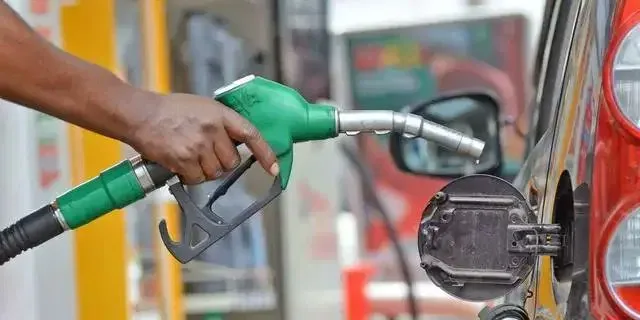
The Petroleum Products Retail Outlets Owners Association of Nigeria (PETROAN) has urged refiners, depot owners and petroleum products importers to reduce fuel prices in line with the recent decline in global crude oil prices, saying Nigerian consumers should benefit from easing market conditions.
The association said the fall in international crude prices presents an opportunity for operators in the downstream petroleum sector to lower ex-depot and retail pump prices, providing relief to households and businesses facing economic pressures.
PETROAN National President, Billy Gillis-Harry, said developments in the global oil market should be reflected in domestic petroleum pricing.
“Brent crude has fallen to about $77-$78 per barrel following the ceasefire agreement between the United States and Iran and expectations that oil exports through the Strait of Hormuz will gradually normalise,” the association said in a statement signed by its National Public Relations Officer, Joseph Obele.
According to PETROAN, market analysts expect crude prices to remain under pressure despite lingering geopolitical risks. Brent crude is projected to trade between $75 and $82 per barrel next week, while West Texas Intermediate (WTI) is expected to range between $72 and $79 per barrel.
Concerns over local refining costs
The association expressed concern that imported petroleum products are, in some cases, landing in Nigeria at lower costs than those offered by domestic refiners.
Gillis-Harry described the situation as surprising and said it highlighted the need for a more competitive downstream petroleum market that guarantees consumers access to affordable products.
He called on the Nigerian Midstream and Downstream Petroleum Regulatory Authority (NMDPRA) to continue issuing import licences to qualified marketers, arguing that increased competition would help moderate prices, discourage monopolistic practices and ensure a steady supply of petroleum products nationwide.
According to him, competition remains one of the most effective tools for improving efficiency, reducing costs and protecting consumers. A more competitive market, he said, would encourage suppliers to align prices with prevailing market realities.
PETROAN also urged the Group Chief Executive Officer of NNPC Limited, Engr. Bayo Ojulari, to facilitate discussions with two Chinese firms that have expressed interest in operating the Port Harcourt and Warri refineries.

Gillis-Harry said successful rehabilitation and private-sector operation of the refineries would boost domestic refining capacity, improve efficiency and contribute to lower fuel prices.
He added that the resumption of operations at the Port Harcourt and Warri refineries under competent private management would strengthen supply stability, promote healthy competition and ultimately make petroleum products more affordable for Nigerians.
“For Nigeria, sustained moderation in crude oil prices, coupled with stable exchange rates and refining costs, should support lower petrol prices and provide relief to consumers and businesses facing economic challenges,” the association said.