

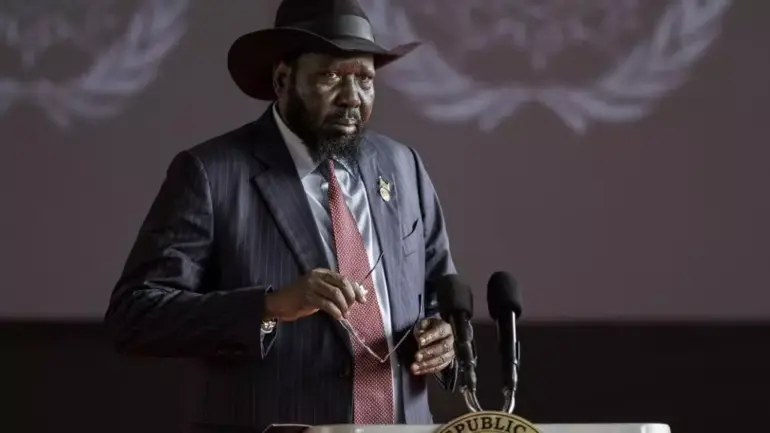
South Sudan has postponed its first national elections from December to February amid escalating ethnic and political tensions, raising further doubts about the country’s fragile transition to democracy.
The presidential and legislative elections, scheduled for December 22, had already been delayed several times. The United Nations had warned that holding a vote amid the deteriorating security situation could trigger widespread conflict.
The electoral commission announced a revised timetable on social media, setting February 11 as the new polling date, with results expected four days later.
Commission Secretary General Ahon Malou Lueth confirmed the postponement to AFP but declined to provide a reason or further details.
Forces loyal to President Salva Kiir and supporters of detained former vice president Riek Machar have been involved in increasingly deadly confrontations in recent months. Longstanding ethnic tensions and violent cattle-rustling clashes have further compounded instability in one of the world’s poorest countries.
South Sudan gained independence from Sudan in 2011 but descended into civil war in 2013, when forces loyal to Kiir and Machar began fighting. The conflict lasted until 2018 and killed at least 400,000 people.
Machar has been under house arrest since March 2025 and faces accusations of crimes against humanity.
The revised election date was announced on the day voter registration was due to begin, with more than 3,100 registration centres planned across the country. However, officials said some centres had yet to receive all the necessary equipment.
The United Nations Commission on Human Rights in South Sudan has repeatedly warned of worsening conditions, citing the displacement of tens of thousands of people, deadly clashes and disruptions to international humanitarian operations.

In recent warnings, the commission said escalating tensions had heightened “the risk of renewed conflict and atrocity crimes”. In October, it also cautioned that holding elections under the prevailing conditions could reignite conflict.
AFP