

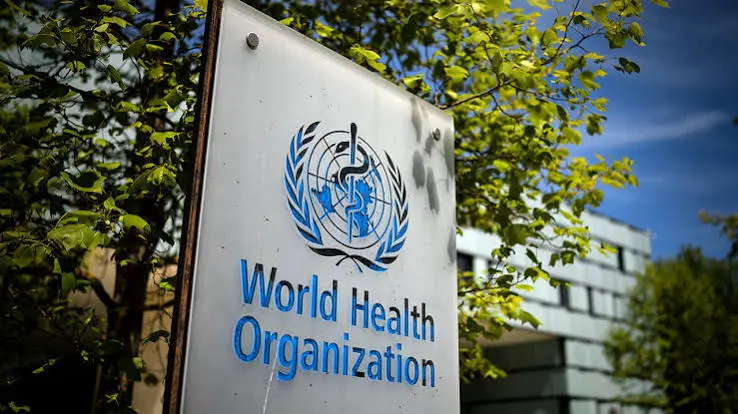
Uganda was officially declared free of Ebola by the World Health Organization (WHO) on Thursday after recording no new cases for 42 days.
The declaration marks the end of an outbreak in the East African country, which has been praised for its swift response and efforts to prevent the virus from spreading further, particularly amid a severe Ebola outbreak in parts of neighbouring Democratic Republic of Congo (DRC).
“Uganda has reached 42 days since the last confirmed imported Ebola case was discharged on 16 July 2026, with no documented onward transmission associated with the case, marking an end to the outbreak,” the WHO said in a post on X.
The UN health agency commended the Ugandan government, healthcare workers and partner organisations for “the strong measures taken to contain the outbreak and prevent wider spread”.
Uganda recorded a total of 20 Ebola cases during the outbreak, most of them involving people who had travelled from the DRC. Two people died from the disease.
The WHO’s declaration follows the completion of the recommended 42-day period without a new confirmed case, equivalent to two full incubation periods of the Ebola virus.
Uganda has experienced several Ebola outbreaks in the past and has developed extensive experience in surveillance, contact tracing, infection prevention and control, and rapid response to suspected cases.

The latest outbreak also raised concerns about the risk of cross-border transmission given the continued Ebola activity in eastern DRC, where health systems have faced significant pressure.
The WHO said Uganda’s experience demonstrated the importance of early detection, effective surveillance and coordinated public-health measures in containing Ebola and preventing wider regional transmission.