

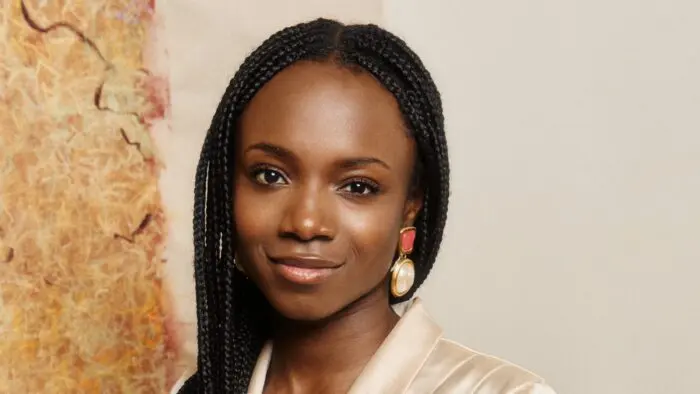
Nigerian-American engineer and Harvard graduate Yinka Ogunbiyi has developed HaloBraid, described as the world’s first braid-assist robot designed to reduce the physical strain on hairstylists while shortening the time required for salon appointments.
The innovation has raised $7 million in seed funding and attracted more than 7,000 professional salons to its waiting list ahead of its commercial launch.
The US Mission in Nigeria highlighted the achievement in a post on X on Friday.
“Nigerian-American engineer & Harvard grad Yinka Ogunbiyi built HaloBraid, the world’s first braid-assist robot, easing strain on stylists & saving salons time.
“$7M raised, 7,000+ salons waitlisted. American innovation, global impact. #AmericanExcellence in action,” the mission wrote.
The funding round was led by Seven Seven Six, the venture capital firm founded by Reddit co-founder Alexis Ohanian, with participation from AlleyCorp and Bling Capital.
The investment will support the commercial rollout of HaloBraid, which has already generated strong interest from salons across the beauty industry.
Ogunbiyi, who holds joint Master of Science and Master of Business Administration degrees from Harvard’s Engineering School and Business School, previously worked on connected smart-home appliances and consumer electronics.
She conceived the idea for HaloBraid during the COVID-19 pandemic after spending four days installing her own protective knotless braids. Recognising the labour-intensive nature of the process, she partnered with co-founder David Afolabi to develop a technology that assists, rather than replaces, professional hairstylists.
The robotic device is designed to automate the repetitive mid-shaft braiding process, one of the most time-consuming stages of hair braiding.
Stylists still perform the creative and technical aspects of the service, including sectioning the hair, creating the anchor knot, and completing the final styling, trimming and sealing. HaloBraid carries out the repetitive braiding sequence before being removed for the stylist to finish the hairstyle.
Responding to concerns that automation could diminish the cultural significance of traditional braiding, Ogunbiyi said the technology was intended to enhance, not replace, the stylist’s role.
“I don’t think anything will get lost from the experience. If anything, it enriches it. Technology simply assists with the repetitive movements that consume the most time and place the greatest strain on the body,” she said.

The technology is also designed to reduce the physical demands of professional braiding, including repetitive strain on the hands, wrists and back, helping stylists work more comfortably, serve more clients and potentially extend their careers.
The launch comes amid growing demand for protective hairstyles and increasing concerns over the lengthy salon appointments they often require.
According to a report cited by The Telegraph, nearly 95 per cent of surveyed Black women said they would choose protective styles more often if salon visits were less time-consuming and physically demanding.
Backed by $7 million in funding and with more than 7,000 salons already on its waiting list, HaloBraid is preparing for commercial rollout.