

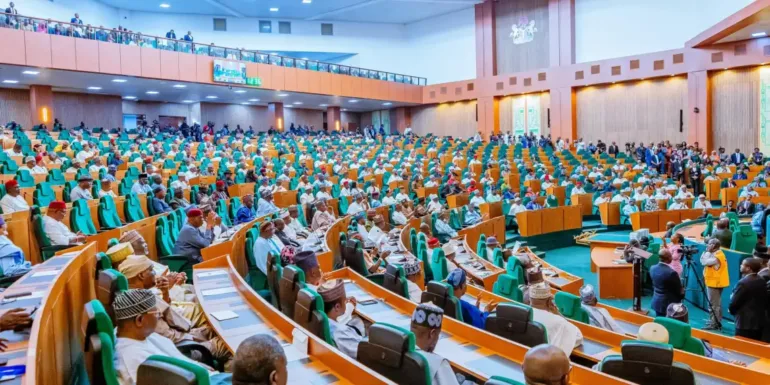
The House of Representatives has called for a comprehensive investigation into the losses, casualties and properties abandoned by Nigerians following recent xenophobic attacks in South Africa.
Lawmakers also urged the Federal Government to intensify diplomatic engagement, pursue legal remedies and strengthen bilateral cooperation with South Africa to ensure the safety and protection of Nigerians living in the country.
The resolutions followed the adoption of a motion sponsored by the member representing Ikorodu Federal Constituency of Lagos State, Babajimi Benson, during Tuesday’s plenary presided over by Speaker Abbas Tajudeen.
The motion mandates the House Committees on Diaspora and Foreign Affairs to document the human and economic losses suffered by Nigerians during the attacks, compile an inventory of abandoned properties and recommend diplomatic and legal measures to better protect Nigerians residing in South Africa.
Leading the debate, lawmakers argued that a comprehensive assessment of the attacks was necessary to support affected victims, seek appropriate compensation where applicable and strengthen Nigeria’s response to similar incidents in the future.
During the plenary, the House also adopted a motion calling for a comprehensive audit of all assets seized, forfeited and recovered by government agencies since May 29, 1999.
The motion, sponsored by Ibe Osonwa, who represents Arochukwu/Ohafia Federal Constituency of Abia State, seeks the creation of a national digital registry of recovered assets and the establishment of an ad hoc committee to improve transparency, accountability and legislative oversight in asset management.
The House also received the report of its Constitution Review Committee on the proposed establishment of state police, alongside reports on the Nigeria Police Trust Fund budgets. Several bills also progressed through various stages of legislative consideration.
Meanwhile, the House Ad Hoc Committee investigating the Presidential Foreign Investment Promotion Council (PFIPC) criticised the failure of some heads of Ministries, Departments and Agencies (MDAs) to honour its summons.

The committee also faulted the absence of the Minister of Finance, who was represented by an official of the ministry, insisting that invited officials must appear in person or risk further legislative action.
Chairman of the committee, Yusuf Gagdi, warned that the panel would not tolerate non-compliance with its directives.
The committee subsequently summoned the Minister of Foreign Affairs and the National Security Adviser to explain how the council allegedly operated despite concerns raised over its legal status.