

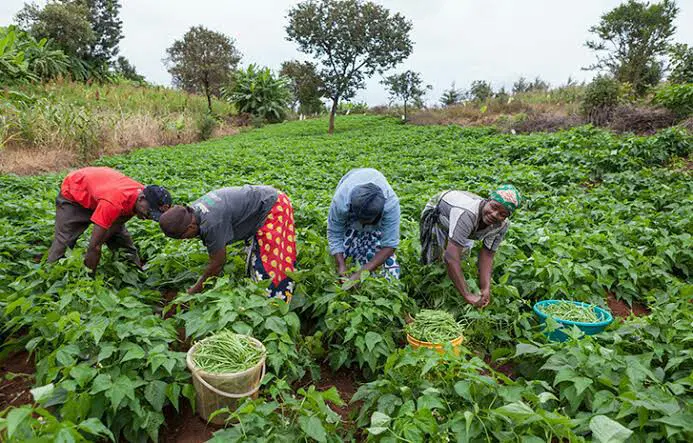
Vegetable prices are likely to increase in Lagos in the coming weeks following flood damage to farms in Ojo Local Government Area and other parts of the state, the Chairperson of the Farmers Community in Ojo, Mrs Mayriam Ali, has warned.
Ali gave the warning in an interview with the News Agency of Nigeria (NAN) on Sunday in Lagos, describing flooding as the biggest challenge confronting farmers in the area.
She said Ojo’s swampy terrain makes farmlands particularly vulnerable during the rainy season, adding that recent heavy rainfall submerged farms, destroyed crops and disrupted harvesting and replanting activities.
“We have recorded huge losses. Floodwaters destroyed many of our crops, and farmers are struggling to recover.
“If we sold vegetables at lower prices before, they will now become more expensive because farmers must recover their losses,” she said.
Ali identified ugu, spinach, spring onions, oregano and waterleaf as some of the vegetables likely to experience significant price increases.
She said the price of a bunch of waterleaf, which currently sells for about ₦500, could rise to between ₦1,000 and ₦1,300 due to reduced supply.
According to her, crops with longer maturity periods suffered the greatest losses because many were washed away before reaching harvest, while fast-growing vegetables such as shoko, tete and ewedu may remain relatively affordable because they can be replanted within a shorter period.
The farmers’ leader said inadequate drainage systems and a lack of pumping equipment have worsened the impact of flooding on farmlands, urging the government to provide affordable solar-powered pumping machines to help farmers manage excess water.
She also called for improved transportation infrastructure to facilitate the movement of farm produce from rural communities to markets, as well as government assessments of farming communities to determine their specific needs.
Ali said addressing flooding, transportation and mechanisation challenges would increase food production and strengthen food security in Lagos State.

She appealed to consumers to be patient with farmers as production gradually recovers, while encouraging households with available space to embrace home gardening to reduce reliance on market supplies.
Although she expressed optimism that production would improve as floodwaters recede, Ali noted that vegetable prices would remain unstable until affected farmers recover from their losses.
She reaffirmed farmers’ commitment to increasing production with adequate support from the government.
NAN
