

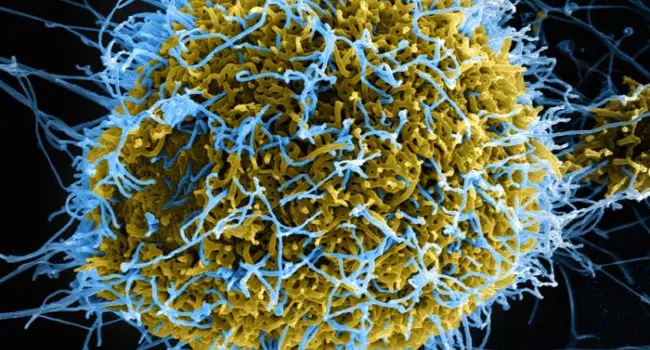
The Nigeria Centre for Disease Control and Prevention (NCDC) says Nigeria has recorded no confirmed case of Ebola Virus Disease (EVD), but is intensifying surveillance and preparedness measures following a fresh outbreak in the Democratic Republic of the Congo (DRC) that has claimed 88 lives and spread to neighbouring Uganda.
In a statement issued on Sunday by its Director-General, Dr Jide Idris, the NCDC said it was strengthening surveillance systems, laboratory readiness, infection prevention protocols, and public awareness efforts across the country.
The development follows the World Health Organization’s (WHO) declaration of the Ebola outbreak in the DRC and Uganda as a “public health emergency of international concern.”
The outbreak, which began in the eastern DRC province of Ituri, has recorded about 246 suspected cases and involves the rare Bundibugyo strain of Ebola, for which there is currently no approved vaccine or treatment.
Health authorities warned that the outbreak poses a significant regional threat after infections were confirmed in Uganda and linked cases reached Kinshasa, the Congolese capital.
However, the WHO stopped short of declaring the outbreak a pandemic, noting that it had not met the required criteria. The UN health agency also advised countries against imposing border closures or trade restrictions.
According to the WHO, there are currently eight laboratory-confirmed cases of Ebola, alongside several suspected infections and deaths across three health zones, including Bunia, the capital of Ituri province, and the mining communities of Mongwalu and Rwampara.
One confirmed case has also been recorded in Kinshasa and is believed to involve a patient who recently returned from Ituri.
The virus has also spread beyond the DRC, with Uganda confirming two cases, including a 59-year-old man who reportedly died on Thursday after testing positive.
Ebola symptoms typically begin with fever, muscle pain, fatigue, headache, and sore throat, before progressing to vomiting, diarrhoea, skin rash, and, in severe cases, internal and external bleeding.
‘Nigeria closely monitoring ituation’
Reacting to the outbreak, Idris said the NCDC was closely monitoring developments due to increasing cross-border movement within Africa.
He noted that the agency was working with key stakeholders, including the Port Health Services under the Federal Ministry of Health and Social Welfare, to strengthen the country’s preparedness and response capacity.
“NCDC is closely monitoring the situation and working with relevant stakeholders, including the Port Health Services, to ensure continued vigilance and preparedness within the public health system,” he said.
Idris described Ebola as a severe viral disease transmitted through direct contact with the blood, body fluids, secretions, or contaminated materials of infected persons or animals.
He explained that the disease has an incubation period of between two and 21 days, with symptoms including fever, weakness, headache, muscle pain, sore throat, vomiting, diarrhoea, and unexplained bleeding in severe cases.
Healthcare workers across the country were advised to maintain a high index of suspicion, especially in patients showing symptoms consistent with Ebola and with relevant travel or exposure history.
The NCDC also urged health workers to strictly observe infection prevention and control protocols, including early detection and isolation of suspected cases, proper use of personal protective equipment, regular hand hygiene, and prompt reporting through official channels.
“NCDC will continue to monitor the situation closely and provide updates as necessary,” Idris added.
The agency further advised Nigerians to remain calm, maintain proper hand hygiene, avoid spreading misinformation, and promptly report unusual illnesses to health authorities.
Nigeria earned global recognition for successfully containing an Ebola outbreak in 2014 after an infected traveller arrived in Lagos from Liberia.