

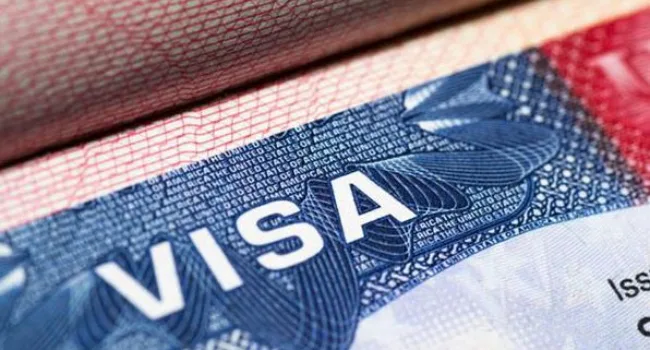
The United States has made its visa bond programme permanent, requiring certain travellers from 50 countries, including Nigeria and 29 other African nations, to post a refundable bond of up to $20,000 before they can obtain some categories of US visas.
The US Department of State announced that the requirement applies to selected applicants for B1/B2 business and tourist visas who are directed by a consular officer to provide a bond as a condition for visa issuance.
In a federal notice published on Friday, the department said the programme, initially introduced as a pilot scheme in 2025, had proven effective in improving compliance with US immigration laws and would now become a permanent policy.
Under the programme, travellers who comply with the terms of their visas and leave the United States within the authorised period will receive a full refund of the bond.
The notice stated: “Consular officers may require covered nonimmigrant visa applicants to post a bond of up to $20,000 as a condition of visa issuance, as determined by the consular officers.
“The 2025 visa bond pilot… has provided sufficient data to suggest that a visa bond programme is an effective tool for enforcing compliance among bonded visa holders.”
Countries affected
Nationals of the following 50 countries may be required to post the visa bond if directed by a US consular officer:
Africa (30):
- Algeria
- Angola
- Benin
- Botswana
- Burundi
- Cabo Verde
- Central African Republic
- Côte d’Ivoire
- Djibouti
- Ethiopia
- Gabon
- The Gambia
- Guinea
- Guinea-Bissau
- Lesotho
- Malawi
- Mauritania
- Mauritius
- Mozambique
- Namibia
- Nigeria
- São Tomé and Príncipe
- Senegal
- Seychelles
- Tanzania
- Togo
- Tunisia
- Uganda
- Zambia
- Zimbabwe
Asia (10):
- Bangladesh
- Bhutan
- Cambodia
- Georgia
- Kyrgyz Republic
- Mongolia
- Nepal
- Tajikistan
- Turkmenistan
- Tonga
Caribbean (4):
- Antigua and Barbuda
- Dominica
- Grenada
- Cuba
Pacific (4):
- Fiji
- Papua New Guinea
- Tuvalu
- Vanuatu
North and South America (2):
- Nicaragua
- Venezuela
The requirement applies regardless of where applicants submit their visa applications.
How the programme works
Applicants instructed to participate must complete the Department of Homeland Security’s Form I-352. The bond may be paid by the applicant or a third party, including a relative, friend or business associate.
Payments must be made through the US government’s official Pay.gov platform after applicants receive a payment link from a consular officer. The State Department warned applicants not to submit Form I-352 or make any payment unless specifically instructed to do so.
The department also stressed that paying the bond does not guarantee visa approval and that payments made without official instructions would not be refunded.

Travel restrictions
Travellers covered by the programme must enter and leave the United States through approved commercial airports, including US Customs and Border Protection preclearance locations.
They are not permitted to use charter flights, private aircraft, land border crossings or seaports while travelling under the visa bond programme.
When the bond will be refunded
According to the State Department, the bond will be cancelled and refunded if:
- The traveller departs the United States on or before the authorised date.
- The visa holder does not use the visa before it expires.
- The traveller is denied admission at a US port of entry.
When the bond can be forfeited
The Department of Homeland Security may declare the bond breached if the traveller violates the programme’s conditions.
Violations include:
- Remaining in the United States beyond the authorised period.
- Failing to depart after the approved stay expires.
- Violating the terms of the visa bond, including certain immigration status adjustment provisions.
The State Department said the programme is authorised under the US Immigration and Nationality Act and is informed by visitor overstay rates reported by the Department of Homeland Security.