

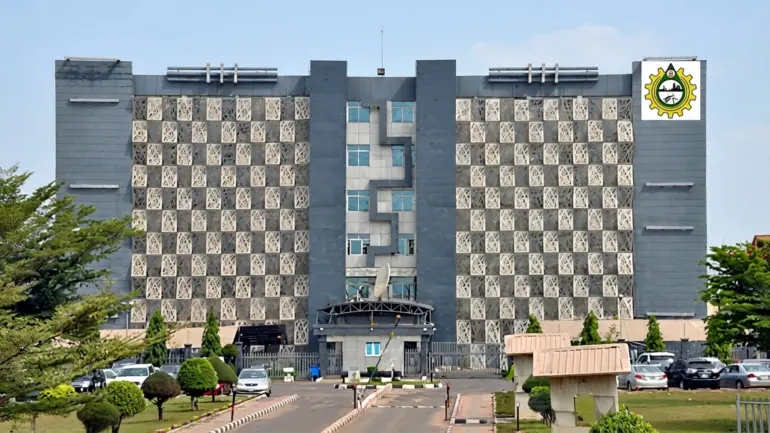
Nigeria’s downstream petroleum regulator has approved a new round of fuel import permits for major oil marketers amid growing concerns over domestic fuel supply and declining inventory levels.
The Nigerian Midstream and Downstream Petroleum Regulatory Authority (NMDPRA) granted the approvals for the third quarter of 2026, covering the importation of Premium Motor Spirit (PMS), commonly known as petrol, and Automotive Gas Oil (AGO), or diesel.
The permits, which cover the July–September period, were issued to selected marketers, including Matrix Energy, AA Rano, AYM Shafa, Bono Energy, Nipco and Pinnacle, according to industry sources familiar with the process.
The move is aimed at maintaining market stability and averting potential supply shortages amid falling fuel stock levels and reduced petrol output from Nigeria’s largest refinery.
Sources said AA Rano, AYM Shafa, Bono Energy, Matrix Energy, Nipco and Pinnacle received approval to import petrol, while AA Rano, AYM Shafa, Bono Energy, Matrix Energy and Pinnacle were authorised to import diesel.
The latest approvals follow an earlier round of petrol import licences issued in May. Although the new allocations were initially expected by 15 June, industry sources said the process was delayed before being finalised.
Under the approved allocations, AA Rano and Matrix Energy each received permits to import 180,000 metric tonnes of petrol, while Pinnacle was allocated 150,000 metric tonnes and AYM Shafa 120,000 metric tonnes.
For diesel imports, AYM Shafa secured approval for 60,000 metric tonnes, while Pinnacle was cleared to import 45,000 metric tonnes.
Industry sources indicated that additional approvals could still be granted, with total petrol import allocations expected to exceed 800,000 metric tonnes once the regulatory exercise is completed.

The latest approvals come as fuel inventories tighten across the country.
According to NMDPRA data, petrol stock sufficiency fell to 16 days in May, while diesel inventory cover stood at 31 days during the same period, highlighting the need for supplementary imports to maintain adequate supply levels.
The permits were also issued at a time when international gasoline and diesel prices have softened, a development that could improve import margins and make fuel imports more commercially attractive for Nigerian marketers.
