

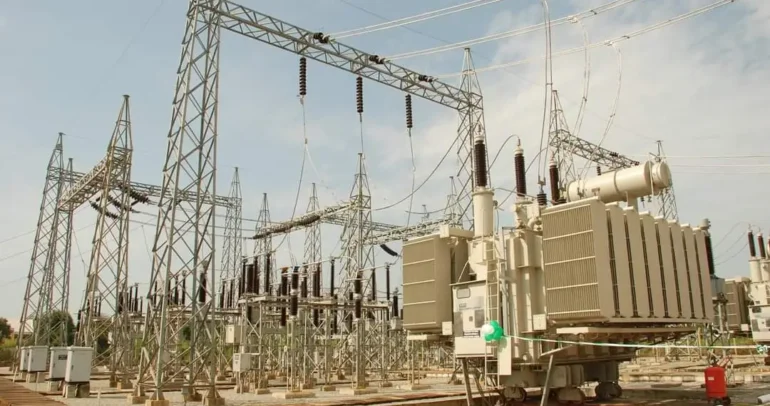
Nigeria’s national power grid collapsed again on Friday, cutting electricity supply to millions of households and businesses across the country.
Checks revealed that power generation plunged sharply from over 4,500 megawatts to as low as 24 megawatts by about 1:30 pm. All 23 power generation plants connected to the grid reportedly lost output during the incident, resulting in zero power allocation to the country’s 11 electricity distribution companies.
As of the time of filing this report, the cause of the collapse had not been immediately determined, and the Transmission Company of Nigeria (TCN) had yet to issue a detailed statement.
The incident marks the first grid collapse of 2026, coming barely weeks after a similar failure on December 29, 2025, which also triggered widespread outages nationwide.
Repeated grid failures have been linked to a combination of technical faults, inadequate maintenance of transmission infrastructure, and fluctuations in generation capacity.

The latest collapse has renewed calls from stakeholders for the government and power sector operators to implement more robust contingency measures to prevent recurring system failures.
While Nigerians await an official explanation, the incident has once again raised concerns about the resilience of the country’s electricity infrastructure and its capacity to meet growing demand for reliable power.
