
Iran on Monday dismissed Washington’s announcement of a sweeping new economic pressure campaign, arguing that the move contradicts US claims that Tehran’s military and nuclear capabilities have already been dismantled.
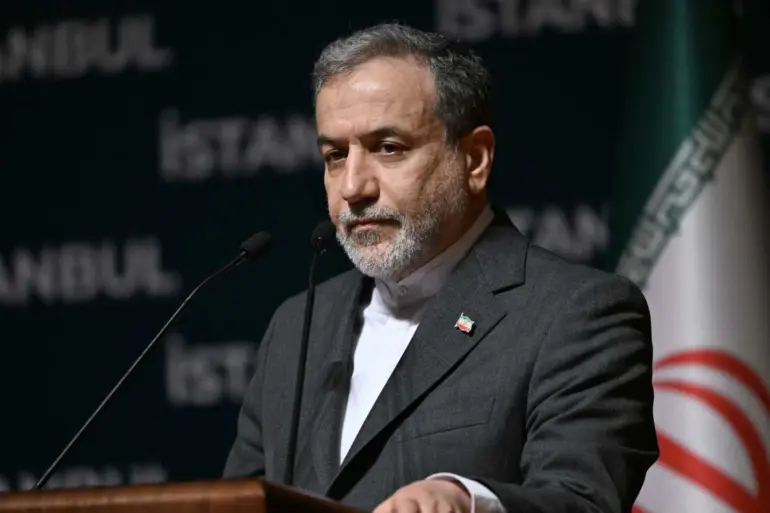
“Your narrative doesn’t add up: you say that Iran’s military power has been ‘dismantled’, 100% of its military factories ‘destroyed’ and its nuclear program ‘buried’,” Iranian Deputy Foreign Minister Kazem Gharibabadi said in a post on X.
“Yet,” he added, “there is a need for ‘the largest financial invasion in history’ and the mobilisation of ‘all institutions and powers’ of the United States! Is this a victory or an admission of America’s defeat?”
US Treasury Secretary Scott Bessent had earlier announced the new measures in an article published by the Financial Times, describing them as the “single greatest financial offensive marshalled against an adversary” and likening the campaign to an “economic D-Day”.
Bessent later said on X that the measures followed what he described as the US dismantling Iran’s military capabilities, destroying nearly all of its military factories and burying its nuclear programme.
He is expected to provide further details of the new US sanctions on Iran on Monday.
Iran has also warned other countries against joining Washington’s economic campaign. Foreign Ministry spokesman Esmaeil Baqaei said countries that participate would “definitely have its own consequences”.
The latest escalation comes amid heightened tensions following the conflict between the United States, Israel and Iran.
The United States and Israel launched a major wave of strikes against Iran on February 28, prompting Tehran to retaliate against targets across the region.
An April 8 ceasefire brought an end to nearly 40 days of intense fighting, but tensions over the Strait of Hormuz have remained high.
Iran has maintained control of the strategically important waterway, a critical route for global oil and gas shipments. Reopening the strait has become a priority for Washington, but Tehran has insisted that it will remain closed until the United States lifts its naval blockade of Iranian ports, removes oil sanctions and unfreezes Iranian assets held abroad.
Last week, US President Donald Trump said Washington would intensify economic pressure on Iran “on an unprecedented scale”.
The United States has also urged other governments, including China, to join efforts to further isolate the Iranian economy.
In an article published Monday by Iran’s Ettela’at newspaper, Iranian Foreign Minister Abbas Araghchi said Tehran’s relationship with China “have taken on deeper, more structural, and more comprehensive dimensions.”
Iran has faced US and international sanctions since the 1979 Islamic Revolution. Trump has repeatedly pursued a policy of “maximum pressure” against Tehran, reinstating the strategy after returning to office in January 2025 following a similar campaign during his first term.
Iran has consistently rejected the sanctions strategy as ineffective, arguing that economic pressure and threats will not force it to change its policies.
AFP