

The Nasarawa State Government has announced a cabinet reshuffle involving six commissioners as part of efforts to strengthen the administration and accelerate the delivery of its remaining programmes before the end of Governor Abdullahi Sule’s tenure.
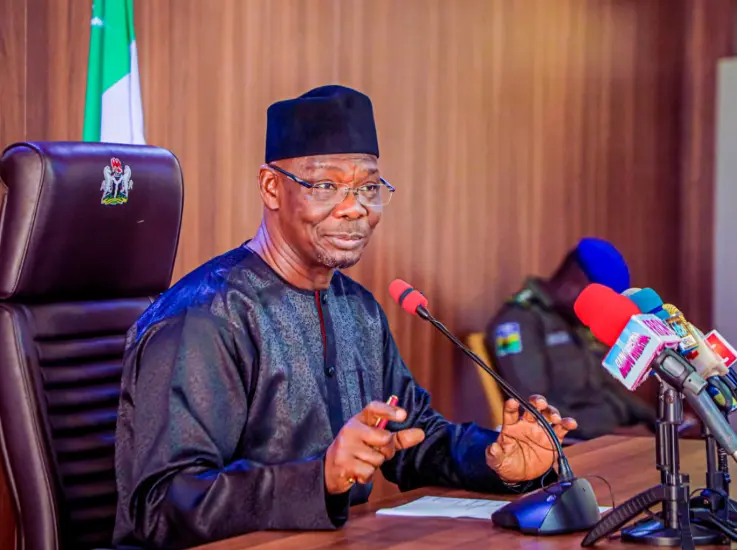
The Secretary to the State Government, Labaran Magaji (SAN), disclosed this while briefing journalists at the end of the State Executive Council meeting in Lafia on Wednesday.
Magaji said the adjustment was aimed at repositioning the government structure, bringing in fresh energy and accommodating other interests as the administration enters its final months in office.
He said the affected commissioners had been asked to step aside from their respective ministries, which include Works, Women Affairs, Information, Lands, Science and Technology, and Security and Other Sundry Matters.
“The adjustment is not a reflection of underperformance but a deliberate move to strengthen governance structures, accommodate other interests and inject fresh energy into the system ahead of the administration’s final months in office,” he said.
The SSG added that the affected commissioners could be considered for other responsibilities in the future, while the names of their replacements would be announced through the appropriate channels.
“There was just a minor adjustment in the cabinet where about six honourable commissioners were asked to step aside. The council commended their efficiency and hard work, but to give room for strengthening the system and accommodate other interests, there is a need to rejig the system,” he said.
He explained that the move was intended to ensure that the administration’s remaining mandates were completed within the available timeframe.
Magaji also disclosed that discussions at the council meeting focused on strategies to improve the state’s internally generated revenue, particularly by leveraging the activities of lithium processing companies operating in Nasarawa.
He said the government was exploring ways to maximise the economic opportunities provided by the state’s mineral resources to boost revenue and support development.
