

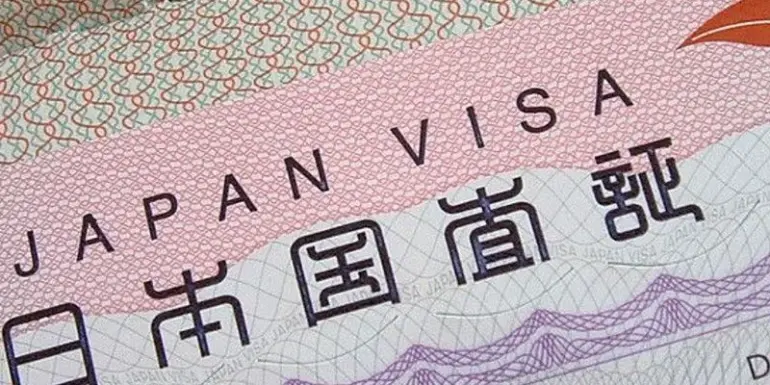
The Japanese government has approved an increase in visa fees for Nigerians and other foreign nationals following a revision of a related Cabinet order.
Japan’s local media, The Japan Times, reported on Saturday that the decision was taken at a Cabinet meeting on Friday, marking the first revision of visa fees in 48 years, since 1978.
Under the new fee structure, the cost of a single-entry visa will rise from ¥3,000 ($18.60) to ¥15,000 ($92.99), while a multiple-entry visa will increase from ¥6,000 ($37.20) to ¥30,000 ($187.97).
The revised fees will apply to applications submitted on or after July 1.
Foreign Minister Toshimitsu Motegi said the adjustment was necessary to reflect long-term economic changes.
“The current visa fee was set in 1978, and we have recently revised it to reflect inflation and exchange rate fluctuations since then,” he told a news conference on Friday.
“We made this decision after carefully considering various factors, and we do not anticipate that it will have an immediate impact on inbound tourism,” he added.
Last month, Japan’s Upper House passed a bill allowing visa-related charges for foreign nationals to rise by up to 30 times current levels.
The measure is aimed at generating additional revenue to help cover administrative costs linked to the country’s growing foreign population. The bill had earlier been approved by the Lower House in April.
Before the reform, the statutory upper limit for changing residency status or extending a stay was ¥10,000 ($63), while the cap for permanent residency applications was also ¥10,000. Under the new framework, those limits have been raised to ¥100,000 and ¥300,000 respectively.
Actual fees will now be set by Cabinet order within the revised statutory ceilings.
The government has proposed raising charges for residency status changes and stay extensions from the current ¥5,500–¥6,000 range to between ¥10,000 and ¥70,000, while permanent residency application fees could increase from ¥10,000 to as high as ¥200,000.

The changes are expected to be implemented before the end of the next fiscal year on March 31, 2027.
Officials say the additional revenue will be used to manage Japan’s record foreign resident population, which reached 4.13 million at the end of 2025, expand Japanese-language education programmes, and strengthen measures against visa overstays.
The government also said the increases are intended to bring Japan’s visa and residency-related charges closer to levels seen in Western countries.
For comparison, visa renewal fees range from about $420 to $470 in the United States and €93 ($107) to €98 in Germany.