A senior US general has confirmed that the United States has deployed a small military team to Nigeria, deepening security cooperation as Abuja battles jihadist violence amid a complex relationship with President Donald Trump’s administration.
Speaking after US strikes on militant targets in Nigeria on December 25, General Dagvin Anderson, head of US Africa Command (Africom), said the two countries had agreed to “increase collaboration”.
“We agreed that we needed to work together on the way forward in the region,” Anderson told a virtual news conference on Tuesday. “That has led to increased collaboration between our nations, including a small US team that brings unique capabilities to augment what Nigeria has been doing for several years.”
Anderson did not provide details on the team’s role or deployment timeline.
The announcement follows US airstrikes targeting Islamic State group positions in Sokoto State in northwestern Nigeria. Africom said last month it would also increase equipment deliveries and intelligence sharing with Nigerian forces as part of efforts to counter Islamic State-linked militants.
US military support will be focused on Sokoto State and Nigeria’s northeast, which has endured nearly two decades of insurgency linked to Boko Haram and its splinter faction, the Islamic State West Africa Province (ISWAP), Africom said.
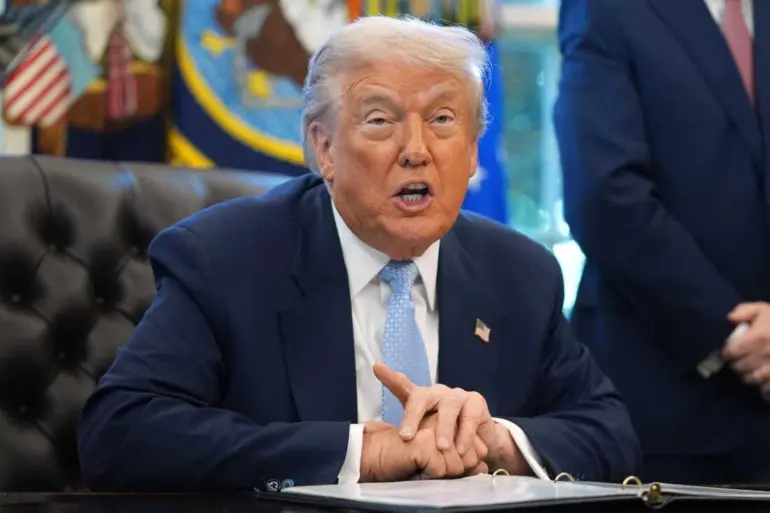
The expanded military cooperation comes against a backdrop of diplomatic friction. Trump has alleged that a “genocide” of Christians is taking place in Nigeria, a claim rejected by the Nigerian government and widely disputed by independent experts, who say insecurity affects both Christians and Muslims.
Nigeria, Africa’s most populous country, is broadly divided between a Christian-majority south and a Muslim-majority north, and violence has cut across religious lines.
In December 2025, Nigeria’s National Security Adviser, Nuhu Ribadu, hosted a delegation from the US Congress in Abuja for security talks aimed at strengthening bilateral cooperation. Ribadu said the meeting followed earlier discussions in Washington focused on shared security priorities.
US Ambassador to Nigeria Richard Mills also attended the talks, underlining what Ribadu described as the importance both governments place on the partnership.
“The discussions centred on counter-terrorism cooperation, regional stability and ways to further strengthen our strategic security partnership,” Ribadu said. “I am optimistic this engagement will deepen trust, collaboration and a shared commitment to peace and security.”
The talks took place after Washington redesignated Nigeria as a Country of Particular Concern over alleged violations of religious freedom, a move that included warnings of potential US military involvement.
Nigeria’s federal government has consistently rejected claims of widespread persecution of Christians, maintaining that insecurity affects citizens of all faiths. Even so, Abuja continues to seek diplomatic and security support from international partners as it faces mounting pressure to curb violence.