

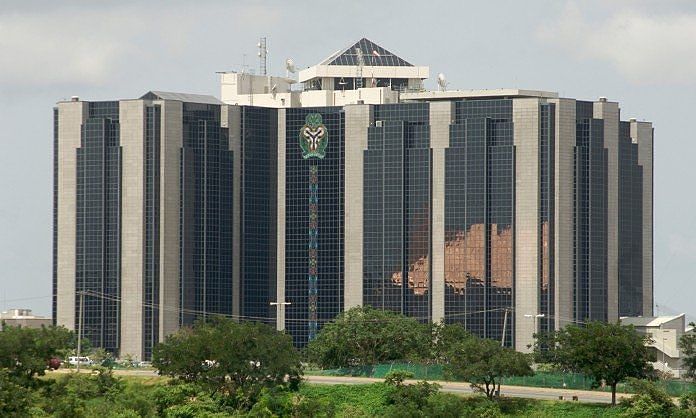
The Monetary Policy Committee (MPC) of the Central Bank of Nigeria has retained the Monetary Policy Rate (MPR) at 26.5 per cent following the conclusion of its 305th meeting, attended by all 11 members.
Speaking at the end of the two-day meeting held on May 19 and 20, the Governor of the Central Bank of Nigeria, Olayemi Cardoso, said the committee also retained the Standing Facilities Corridor at +50/-450 basis points around the MPR.
The MPC maintained all other key monetary policy parameters, underscoring its cautious approach to tackling inflation and preserving macroeconomic stability.
Under the decision, the Cash Reserve Requirement (CRR) for Deposit Money Banks remains at 45.0 per cent, while Merchant Banks will retain a CRR of 16.0 per cent. The CRR for non-TSA public sector deposits was also left unchanged at 75.0 per cent.
According to the apex bank, the decision to hold rates steady was driven by persistent inflationary pressures and the need to sustain stability in the broader economy.
The MPC’s latest decision comes amid a renewed uptick in inflation. Data from the National Bureau of Statistics showed that Nigeria’s headline inflation rate rose to 15.69 per cent in April 2026, up from 15.38 per cent recorded in March 2026, representing a 0.31 percentage point increase.
The committee noted the consecutive rise in inflation recorded in March and April, despite earlier signs of moderation at the start of the year.
At its 304th meeting in February 2026, the MPC cut the MPR by 50 basis points from 27 per cent to 26.5 per cent, its first rate reduction after a prolonged monetary tightening cycle. During that meeting, the committee also retained the Liquidity Ratio at 30 per cent and maintained the Standing Facilities Corridor at +50/-450 basis points around the MPR.

The Central Bank of Nigeria has continued to balance efforts to curb inflation with measures aimed at supporting exchange-rate stability and economic recovery.
The decision to leave rates unchanged signals the MPC’s continued focus on containing inflation while closely assessing the impact of elevated borrowing costs on businesses, investment, and overall economic growth.