

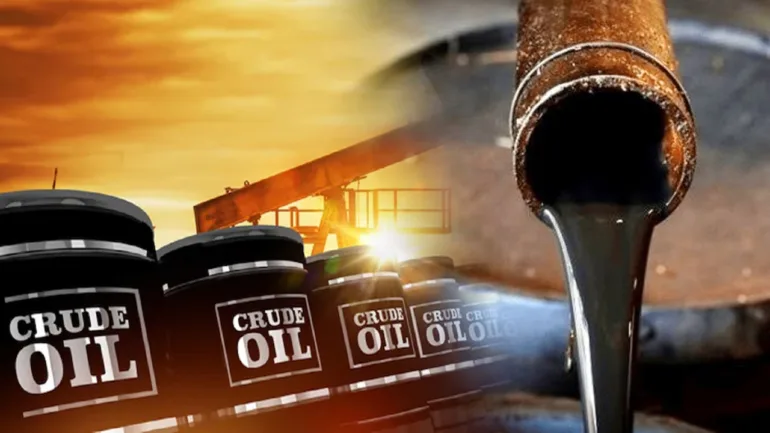
The reopening of the Strait of Hormuz following a ceasefire in the Middle East is expected to stabilise global oil markets and ease petrol prices, but experts say Nigerians may not experience immediate relief at the pumps.
Analysts note that while declining crude oil prices could eventually reflect in Nigeria’s downstream sector, petrol prices may only gradually fall to around ₦1,000 per litre, provided market forces are allowed to operate.
Energy law expert Dayo Ayoade said the ceasefire involving the United States, Iran, and Israel has restored confidence in global shipping routes, though its impact on local fuel prices will take time.
He described the truce as a short-term stabiliser for the oil market, easing supply chain disruptions that had driven up crude prices in recent weeks.
“What we can expect is a positive reaction from oil markets and gradual normalisation of prices, as tankers resume movement through the Strait,” Ayoade said.
He added that the reopening of the critical shipping corridor would boost investor confidence and improve the flow of commodities, including fertilisers, jet fuel, and food supplies.
However, Ayoade noted that while oil-importing countries may benefit from lower energy costs, oil-producing nations like Nigeria could see a decline in revenue gains recorded during the price surge.
On domestic fuel prices, he projected a delayed impact. “There will be a price drop, but not immediately. Within two to three weeks, if the ceasefire holds, we should begin to see gradual adjustments,” he said.
Similarly, the Chief Executive Officer of Petroleumprice.ng, Olatide Jeremiah, warned that local marketers may delay passing on the benefits of falling global prices.
“Depot and retail prices are expected to drop, but there are concerns that reductions may not be reflected promptly. Nigerians have borne the burden of rising prices, and the same urgency should apply to price cuts,” he said.
Jeremiah disclosed that crude oil prices had already declined sharply following the reopening of the Strait, dropping by about 11 per cent in a single day. He added that petrol prices could fall below ₦1,000 per litre if the trend continues.
The Petroleum Products Retail Outlets Owners Association of Nigeria also projected a drop in pump prices from the current ₦1,261 per litre to below ₦1,000.
Its Publicity Secretary, Joseph Obele, said prices could even fall to around ₦900 per litre if market conditions remain stable. He recalled that petrol sold for about ₦800 before the crisis escalated in February.
Obele also urged the Nigerian National Petroleum Company Limited to fast-track refinery operations, including the Port Harcourt refinery, to further reduce fuel costs.
Responding to concerns about delayed price adjustments, he advised marketers to align pump prices with their actual costs and reflect reductions as new, cheaper supplies arrive.
Founder of the Centre for the Promotion of Private Enterprise, Muda Yusuf, said lower crude prices should translate into reduced pump prices in the coming weeks, although existing stock purchased at higher rates may delay immediate relief.
“We should begin to see the impact within a few weeks, provided the ceasefire holds and oil prices remain stable,” he said.
However, economist Sheriffdeen Tella cautioned that lower global prices do not automatically guarantee immediate reductions locally, noting that production levels and supply dynamics also play a role.
Global oil markets had surged earlier in the week after tensions disrupted shipping through the Strait of Hormuz, a key route for about a fifth of the world’s oil supply.
But Iran’s Foreign Minister, Abbas Araghchi, confirmed on Friday that the waterway would remain open to commercial shipping as long as the ceasefire holds.
The development followed a ceasefire agreement involving Iran, the United States, and Israel after escalating hostilities rattled global energy markets.
Reacting, US President Donald Trump welcomed the move, while maintaining that restrictions on Iran would remain pending a broader agreement.
Meanwhile, President of the Dangote Group, Aliko Dangote, warned earlier that prolonged oil price volatility could impact key sectors such as aviation and agriculture, citing rising fertiliser and fuel costs.
Analysts say the crisis underscores the vulnerability of global oil supply routes and may accelerate investment in alternative pipelines as well as the global shift toward renewable energy.
The Strait of Hormuz remains one of the world’s most critical oil transit routes, linking the Persian Gulf to global markets, with disruptions often triggering sharp increases in fuel, food, and transportation costs.