

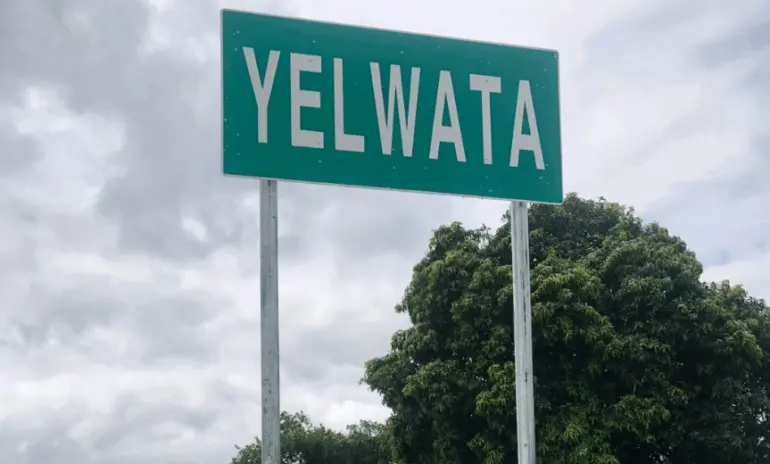
Some suspects arrested in connection with the killings in Yelwata, a community in Benue State, will be arraigned on Monday, February 2.
The suspects will appear before Justice Joyce Abdul-Malik of the Federal High Court in Abuja.
In a statement issued on Sunday, the Office of the Attorney General of the Federation (AGF) and Minister of Justice assured Nigerians that justice would be served, stressing that the move sends a strong message to individuals threatening national security under any guise.
“The administration of President Bola Ahmed Tinubu remains committed to the protection of lives and property, as enshrined in the Constitution,” the statement, signed by Kamarudeen Ogundele, Special Adviser to the AGF and Minister of Justice, said.
According to the statement, the arraignment follows a “painstaking investigation and collaboration by relevant government agencies.”
In June, gunmen attacked Yelwata in Guma Local Government Area of Benue State, killing scores of residents and displacing hundreds.
Following the attack, security agencies announced the arrest of several suspects linked to the violence.
President Tinubu later visited Benue State and directed security agencies to ensure the arrest and prosecution of those responsible.
“Police, I hope your men are on alert to listen to information. How come no arrest has been made? I expect there should be an arrest of those criminals,” the president said during a stakeholders’ meeting at the Benue State Government House in Makurdi.
He further urged security chiefs to intensify intelligence gathering. “Keep your ears to the ground. Let’s get those criminals out. DG NIA, DG SSS, retool your information channels and provide actionable intelligence so this does not happen again,” he said.
The killings renewed calls by Governor Hyacinth Alia for the establishment of state police and the creation of an intervention fund for affected communities.
Governor Alia said community policing is critical to ending the persistent insecurity in the largely agrarian state.