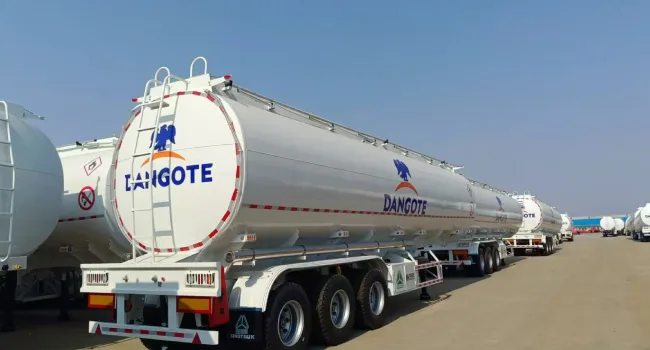
The Dangote Petroleum Refinery has increased its Premium Motor Spirit (PMS) gantry price by N101, raising the ex-depot rate from N774 to N875 per litre, sparking concerns over a fresh round of fuel price hikes nationwide.
A senior official at the refinery confirmed the development on Monday, attributing the adjustment to sustained volatility in global crude oil prices.
“Yes, the price has been reviewed. The new gantry price is now N875 per litre from N774. The review became necessary due to changes in global crude fundamentals and replacement costs,” the official said.
Checks by The Telegraph on petroleumprice.ng showed that the revised rate had already been updated, signalling a shift in downstream pricing benchmarks.
The price adjustment followed the refinery’s suspension of petrol loading operations effective midnight on March 2, 2026, after international crude oil prices surged past the $80-per-barrel mark overnight.
Industry data indicated that PMS loading stopped exactly at midnight, halting product lifting and the issuance of Proforma Invoices, a sign that fresh transactions were temporarily paused.
The suspension, however, applied strictly to petrol, as Automotive Gas Oil (diesel) continued to load.
The move triggered a ripple effect across the downstream sector, with several private depot owners reportedly suspending petrol sales during the trading day.

“Several depot owners suspended PMS sales because of the crude rally. The market is already factoring in risk premiums. Nobody wants to sell below replacement cost,” a downstream operator said.
The development comes amid heightened global oil market volatility linked to tensions between the United States and Iran, raising concerns about potential supply disruptions, particularly around the strategic Strait of Hormuz.
Energy analysts have warned that Nigeria could see further increases in petrol and diesel prices if crude oil climbs above $90 per barrel. Prolonged hostilities in the Middle East, they noted, could disrupt global supply chains, inflate shipping and insurance costs, and push up both import and refining expenses, despite Nigeria’s expanding domestic refining capacity.