The Nigerian Midstream and Downstream Petroleum Regulatory Authority (NMDPRA) has announced that Nigeria will begin exporting urea by 2028, positioning the country as a major hub for value-added oil and gas products. The authority also revealed plans to commence large-scale fertilizer exports soon.
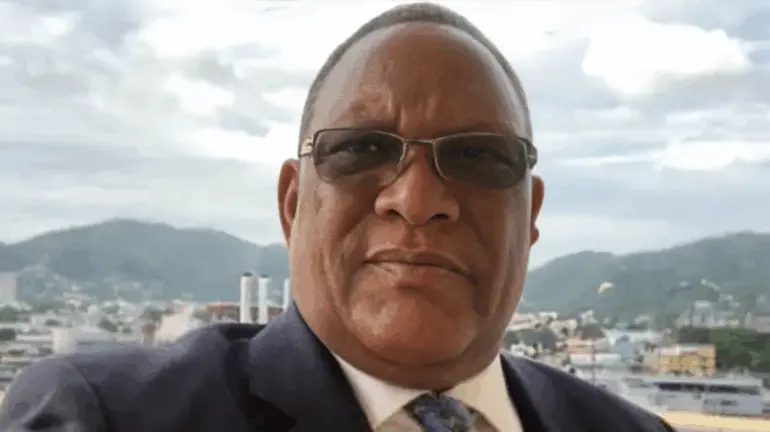
Saidu Mohammed, Chief Executive of NMDPRA, made the disclosure while addressing journalists during a tour of Indorama Eleme Fertiliser and Chemicals Limited in Eleme Local Government Area, Rivers State, on Wednesday. The visit was part of his three-day tour of selected midstream and downstream oil and gas facilities in the state.
According to Mohammed, Nigeria aims to become a leading hub for value-added products in the oil and gas sector. He emphasized the importance of the midstream segment, noting that substantial investment is needed to unlock its full potential.
“The midstream segment requires massive investment—between $30 billion and $50 billion—to position Nigeria as a hub not only for oil and gas but also for secondary derivatives,” Mohammed said.
He added that Nigeria has no reason to continue importing products like urea and fertilizers, especially given the scale of private-sector investments currently underway.
“With expansions at Indorama and other facilities, including Dangote Fertiliser, I am confident that within the next 24 months, Nigeria will join the league of urea-exporting countries. This is not just about being an energy hub, but also a hub for secondary derivatives of oil and gas,” Mohammed noted.
The NMDPRA chief commended Indorama for its level of investment, calling it a model for the type of development needed in the midstream sector.
“Investments in fertiliser plants and other value-addition initiatives on our hydrocarbon resources are what will propel the nation forward,” he said.
Explaining the choice of Rivers State for the tour, Mohammed highlighted the state’s strategic importance, hosting key national assets such as refineries, processing plants, and manufacturing facilities.
“The midstream and downstream segments are well represented here. This visit gives us an overview of sector activities and challenges,” he added.
Mohammed also stressed that NMDPRA’s role is to create an enabling environment for operators while attracting additional investments into the sector.
“The authority is here to facilitate, provide support, and create the right environment for operators to expand investments, while also attracting more investors,” he said.
Speaking at the event, Indorama Eleme Fertiliser and Chemicals Limited CEO, Munish Jindal, said the visit allowed regulators to better understand operations, achievements, and challenges in the midstream sector.
Jindal, who noted that Indorama has been operating in Nigeria for over 20 years, acknowledged the role of the NMDPRA chief in the company’s establishment.
“We thank the authorities for their understanding of the midstream industry. In the early days, it was challenging to explain our operational realities, but this has improved significantly over the past 18 years,” he said.
While appreciating the current regulatory framework, Jindal requested exemptions for certain provisions that are no longer relevant to midstream manufacturers.
“There are a few regulations that may benefit the oil and gas industry generally but are not relevant to midstream manufacturing companies like us. We have asked the authority to review these areas and consider exemptions where appropriate,” he added.