

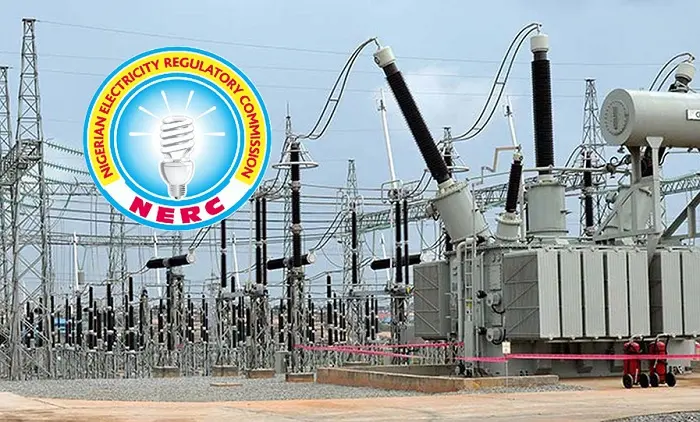
The Nigerian Electricity Regulatory Commission (NERC) has introduced new regulations aimed at reducing electricity transmission losses and improving transparency across the national grid.
The new framework, issued under Order No. NERC/2026/026, establishes enhanced reporting and monitoring requirements for Regional Transmission Loss Factors across Nigeria’s electricity transmission network.
Data from the Nigerian Independent System Operator (NISO) shows that the national average transmission loss factor fell from 8.71% in 2024 to 7.24% in 2025. While this marks an improvement, it remains above the 7% benchmark set under the Multi-Year Tariff Order (MYTO).
The order, signed on 8 April 2026 and effective from 13 April 2026, is backed by provisions of the Electricity Act 2023, which empowers NERC to regulate efficiency and accountability in the power sector.
According to a statement posted on the commission’s X account on Monday, NISO is required to install smart meters at all regional interconnection boundary points by December 2026 to ensure accurate measurement of energy flows.
It is also expected to measure and document energy flows at transmission substations and submit quarterly regional reports on transmission losses to the regulator.
NISO has been directed to submit an action plan by July 2026 outlining measures to reduce losses to approved benchmarks, and to ensure that transmission losses across all regions do not exceed 6.5% by December 2026.
NERC said the objective of the order is to enhance transparency, strengthen monitoring, and improve efficiency in the management of transmission losses across the grid. It added that accurate reporting is essential for better planning, improved infrastructure management, and fair pricing in the electricity market.
The Commission also announced the Mini-Grid Regulations 2026, a separate framework designed to expand electricity access in unserved and underserved communities while strengthening oversight of mini-grid operators.
The regulations, designated NERC-R-001-2026, set out rules for the development, operation, and licensing of mini-grid systems across the country.
They apply to isolated mini-grids, which operate independently of distribution companies and have capacities of up to 5MW, as well as interconnected mini-grids linked to existing distribution networks with capacities of up to 10MW.

Under the new rules, mini-grids below 100kW must be registered with NERC, while those above 100kW require a permit. The commission said permits will be processed within 30 business days.
Operators are required to comply with new reporting obligations: mini-grids below 1MW must submit annual reports, while those above 1MW must submit quarterly reports.
NERC added that it will conduct ongoing monitoring and may publish industry data to improve transparency and accountability in the sector.
According to the commission, the mini-grid framework is intended to provide regulatory clarity, encourage investment, and support safer and more reliable electricity delivery in underserved areas.
It said the policy is expected to accelerate rural electrification, strengthen private sector participation, and support broader efforts to improve electricity access and sustainability across Nigeria.
