

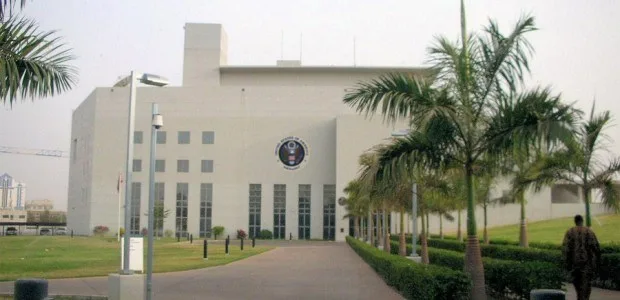
The United States has ordered non-emergency embassy personnel and their families to leave its mission in Abuja, citing a deteriorating security environment.
The announcement came in a travel advisory issued on the US Department of State’s website on Wednesday. According to the advisory, the decision was made on April 8, 2026, following a review of Nigeria’s security situation, which highlighted heightened risks from crime, terrorism, and civil unrest across multiple regions.
While maintaining Nigeria’s overall Level 3 travel advisory, the Department designated several states under Level 4, advising Americans to avoid these areas entirely.
“Reconsider travel to Nigeria due to crime, terrorism, unrest, kidnapping, and inconsistent availability of health care services. Some areas have increased risk,” the advisory read. “On April 8, 2026, the Department of State authorized non-emergency US government employees and their family members to depart US Embassy Abuja due to the deteriorating security situation.”
The advisory flagged widespread violent crime, including armed robbery, assault, carjacking, kidnapping, and hostage-taking, noting that foreigners and dual nationals are frequent targets. Terrorist groups such as Boko Haram and the Islamic State continue to plan and execute attacks, often in collaboration with criminal gangs. Public spaces including markets, schools, government buildings, places of worship, and transport hubs, remain potential targets.
Civil unrest also persists in parts of southern Nigeria, particularly the Niger Delta and Southeast, driven by armed groups and local protests. The Department further warned of limited access to healthcare, unreliable emergency services, and upfront payment requirements in some areas.
Americans were advised that US government assistance may be limited in high-risk regions and urged to avoid such areas entirely.

The move follows a similar decision in December 2025, when Nigeria was placed on a partial travel restriction list under a US presidential proclamation. The restrictions, which applied to certain visa categories including B-1/B-2, F, M, and J visas were based on security assessments and immigration compliance data. Some groups, such as diplomats and existing visa holders, remain exempt.
The US cited the ongoing threat from extremist groups and noted visa overstay rates among Nigerian nationals, including 5.56% for B-1/B-2 visas and 11.90% for student and exchange visas, as additional factors behind the restrictions.