

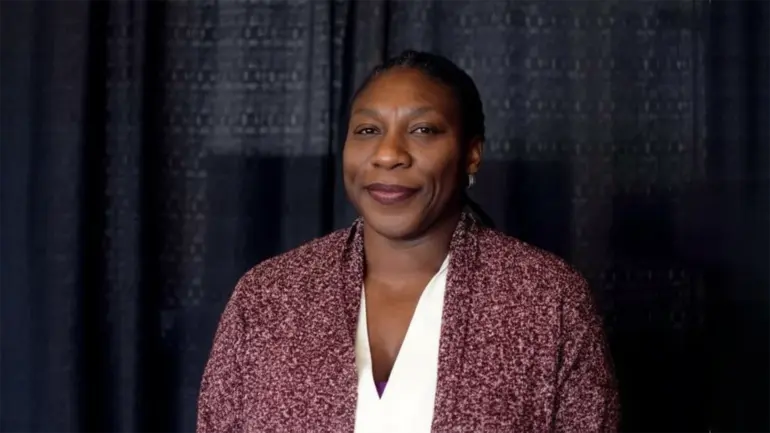
Senator Iyabo Obasanjo has endorsed the use of consensus in selecting political candidates ahead of the 2027 general election, saying the method produces electable candidates rather than unpopular choices.
Speaking on Channels Television’s Sunrise Daily on Thursday, Obasanjo dismissed concerns that consensus could sideline party members’ voices, insisting that political parties always consider popularity and grassroots support when choosing candidates.
“I do believe that consensus can bring the right candidates because it does not mean ignoring the will of the people. It means looking at what the people are saying. No party wants to lose, so they will not choose candidates who could lead to defeat,” she said.
She added, “Consensus will gravitate toward people who can actually win on the ground. Parties do not want to put forward the least popular person in a way that discourages participation or aggravates other stakeholders. I have full belief that consensus is the way to go.”
The former Ogun Central senator expressed confidence that the system would work in her favor as she vies for the All Progressives Congress (APC) governorship ticket in Ogun State.
Having recently defected from the Peoples Democratic Party (PDP) to the APC, Obasanjo said her track record in public office gives her an edge in the race. She reiterated her political strength, noting that she remains a formidable contender in the Ogun governorship contest.
In an earlier interview on Channels TV’s The Morning Brief, the 59-year-old politician expressed confidence in receiving support from her parents, including former President Olusegun Obasanjo.

“I don’t think at this age I should be consulting them for everything in my career. What I know is that my father and mother will vote for me; that’s all I can ask of them. Even if I don’t ask, they will vote for me , that I can guarantee,” she said.
The Electoral Act recognises both consensus and direct primaries as modes of candidate selection, a development shaping internal party strategies ahead of the next general election.