

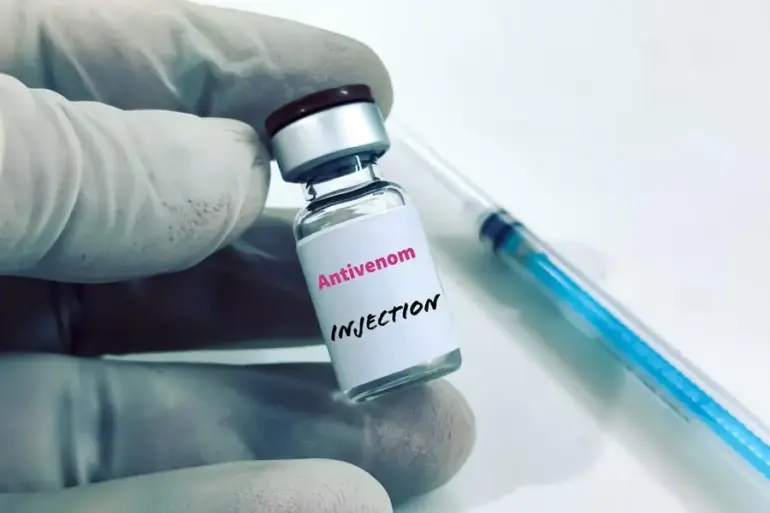
The Federal Capital Territory Administration (FCTA) has assured residents that antivenom is fully stocked and readily available in all FCTA-owned hospitals and public health centres, following the death of singer Ifunanya Nwangene on Saturday.
Nwangene’s death, which sparked public outrage and allegations of medical negligence, prompted the FCTA to clarify the availability of life-saving treatment for snakebites.
In a statement on Monday night, the Mandate Secretary of the FCT Health Services and Environment Secretariat, Dr. Adedolapo Fasawe, urged residents to remain calm, emphasizing that the territory maintains adequate supplies of both polyvalent and monovalent antivenoms.
“Different forms of antivenom are widely available across FCTA-owned hospitals and health facilities,” she said. “Stocking decisions are guided by collaboration with veterinary experts to identify the most common snake species in the FCT. These antivenoms are centrally stored at the Abuja Central Medical Stores and directly managed by the Secretariat to ensure quality, cold-chain integrity, and accessibility.”
Her statement followed claims that Nwangene was unable to access antivenom when rushed to the Federal Medical Centre (FMC), Jabi. The hospital refuted the allegations, noting that medical personnel responded promptly and provided appropriate care. FMC management explained that Nwangene suffered severe neurotoxic complications from the snakebite. Efforts to stabilise her and transfer her to the ICU were ongoing when her condition suddenly deteriorated. Life-saving measures, including cardiopulmonary resuscitation, were attempted but unsuccessful.
Condoling with the family, Dr. Fasawe urged residents to use the tragedy as a learning moment for emergency preparedness.
“The loss of a promising young life is deeply painful,” she said. “We must treat medically preventable deaths seriously and strengthen measures to prevent recurrence.”
She described snakebites as a largely preventable public health threat, noting that venomous species such as cobras, vipers, and puff adders are common in both urban and peri-urban areas.
“Snakes often inhabit farmlands, rainforests, and semi-urban areas, hiding near human dwellings in search of food or shelter. All snakebites must be treated as venomous until proven otherwise,” she said.
Dr. Fasawe also offered guidance on snakebite prevention and first aid:
- Wear protective clothing when farming or walking in tall grass.
- Avoid dark areas at night; use flashlights.
- Clear debris around homes and seal entry points.
- Never handle snakes.
In the event of a bite:

- Stay calm and immobilize the affected limb below heart level.
- Remove constrictive items and gently clean the wound.
- Proceed immediately to a hospital with antivenom.
She warned against dangerous practices such as cutting or sucking the wound, applying tourniquets, ice, or herbal remedies. “Prompt treatment is critical. Antivenom is most effective when administered early, but recovery is not guaranteed, especially in cases with advanced neurotoxic symptoms,” she said.
Highlighting FCTA’s investment in emergency response, Dr. Fasawe said the territory has expanded road networks and deployed 12 ambulances equipped for emergencies. Hospitals provide antivenom administration, monitoring, supportive care, and, at tertiary facilities, ICU admission, airway management, coagulation monitoring, and blood transfusion services.
She added that all healthcare facilities, public and private, must adhere to approved clinical protocols, with sanctions for non-compliance.
Residents were urged to use official emergency numbers for ambulance services: 090157892931 and 090157892932. “The FCTA remains committed to strengthening emergency systems, enforcing healthcare standards, and protecting the lives of all residents,” Dr. Fasawe concluded.
