

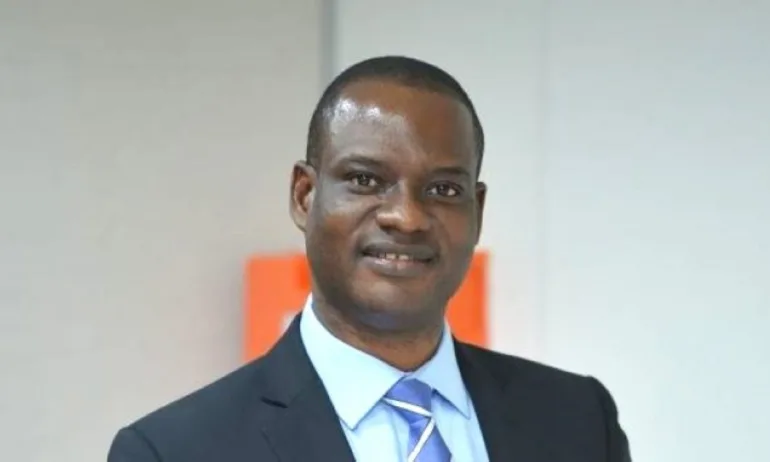
The Chairman of the Presidential Committee on Fiscal Policy and Tax Reforms, Taiwo Oyedele, has revealed that he has faced threats to his life due to his role in implementing Nigeria’s ambitious tax reforms.
Oyedele made the disclosure in Abuja during a governance colloquium held on Tuesday to mark the 50th birthday of the Special Adviser to the President on Policy and Coordination, Hajiya Hadiza Bala-Usman.
Speaking at the event, he noted that pushing reforms that challenge entrenched interests demands exceptional courage, particularly in a system long resistant to change.
“Reforms are hard, and tax reforms are even harder. You need courage. I receive threats simply for trying to fix a broken system,” Oyedele said.
He identified deep-seated mistrust of government, weak tax compliance culture, and poor public understanding of fiscal exchange as major hurdles to reform implementation. According to him, Nigeria’s tax revenue remains far below that of peer countries, making comprehensive reforms unavoidable.
Oyedele urged Nigerians who support the reforms to speak up, warning that silence allows opponents to dominate public discourse. He emphasized that trust is the most critical challenge, noting that many people misunderstand the reforms, mistakenly believing new taxes are being imposed. In reality, he explained, existing levies are being reduced and harmonized.
“There is suddenly a national awareness, and people say the government has brought taxes all over the place, when in fact what we are doing is reducing the taxes they have been paying and harmonizing them,” he said.
He acknowledged that implementing the reforms carries significant political, economic, and reputational risks. “You need the courage to push through. You need the courage to take risks, because it’s very risky,” Oyedele added.
Despite facing online abuse and personal threats, Oyedele defended the reform strategy, likening previous approaches to temporary fixes.

“What we have been doing all my adult life with the tax system was a pain reliever. It hasn’t taken us far. Now we’re doing the surgery. It will come with pain, but it is the only right thing to do,” he said.
He expressed optimism about the country’s fiscal trajectory, describing the current reform momentum as unprecedented and urging Nigerians to remain committed to achieving long-term fiscal stability.
The Federal Government commenced enforcement of the new tax regime on January 1, 2026, introducing four major laws: the Nigeria Tax Act 2025, the Nigeria Tax Administration Act 2025, the Nigeria Revenue Service Establishment Act 2025, and the Joint Revenue Board Establishment Act 2025.
